With the recent change of government in Wales and the talk of the “100-day plan”, I’ve found myself reflecting on the early days of the Government Digital Service (GDS).
I often hear that 100 days isn’t enough time to achieve anything meaningful in a complex environment. Leaders are used to the rhythm of the big machine: a world where projects take months to plan, years to procure, and even longer to deliver.
In that traditional world, there is no momentum. Projects are managed behind the scenes, and people don’t see any value, until everything is ‘finished’. But in government this is a dangerous proposition. By the time a big-bang project launches, the world has moved on.
But I know from experience that 100 days is exactly the right amount of time to prove a different way of working.
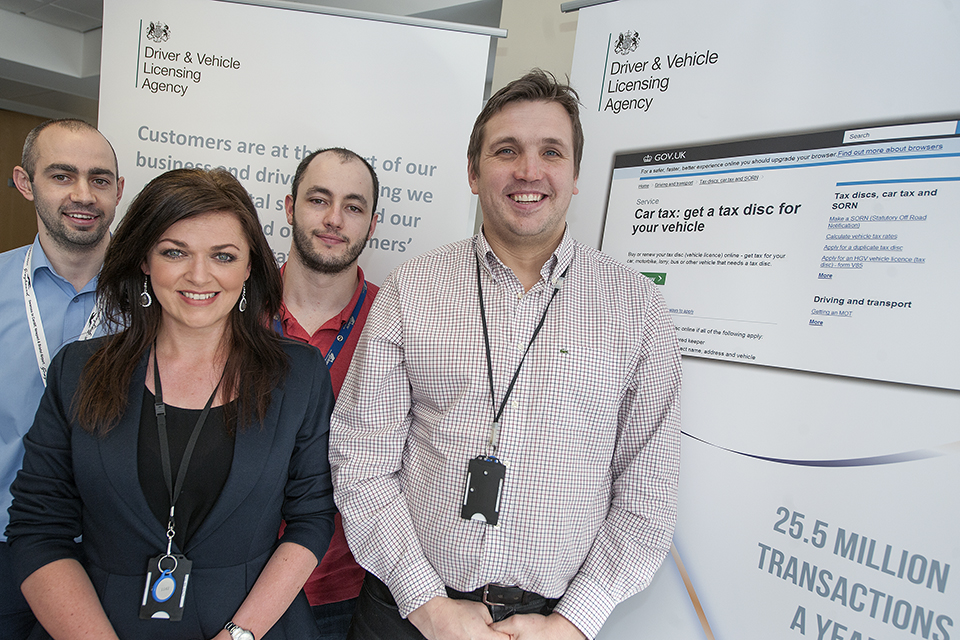
Back in 2014, I was part of a small team tasked with replacing one of the UK’s most high-profile services: the online car tax system. We didn’t have years. We had a massive wave of legislative and policy change bearing down on us, and a legacy system that was falling apart.
The trap of the traditional approach
The “correct” way to handle a project of this scale, according to the traditional playbook, was to spend months developing a massive business case. This would be followed by an even longer procurement process to find somebody to deliver it and hope for the best.
This traditional model is built on a fundamental misunderstanding of risk. It assumes that more planning equals more certainty. In reality, it just creates a larger blast radius for when things inevitably go wrong.
In the case of the vehicle tax service, the existing service was a creaking monolith. It was expensive, slow, and so fragile that we had to manually restart servers regularly just to keep it from crashing. Even a simple branding change was estimated to take months and cost a staggering amount.
The policy landscape was also shifting beneath our feet. Huge legislative changes were on the horizon: the abolition of the physical paper tax disc, the introduction of Direct Debit payments, and the requirement to bring Northern Ireland into the online system for the first time.
If we had followed the traditional route, we would have been trying to build a static solution for a moving target.
Creating momentum through the “art of the possible”
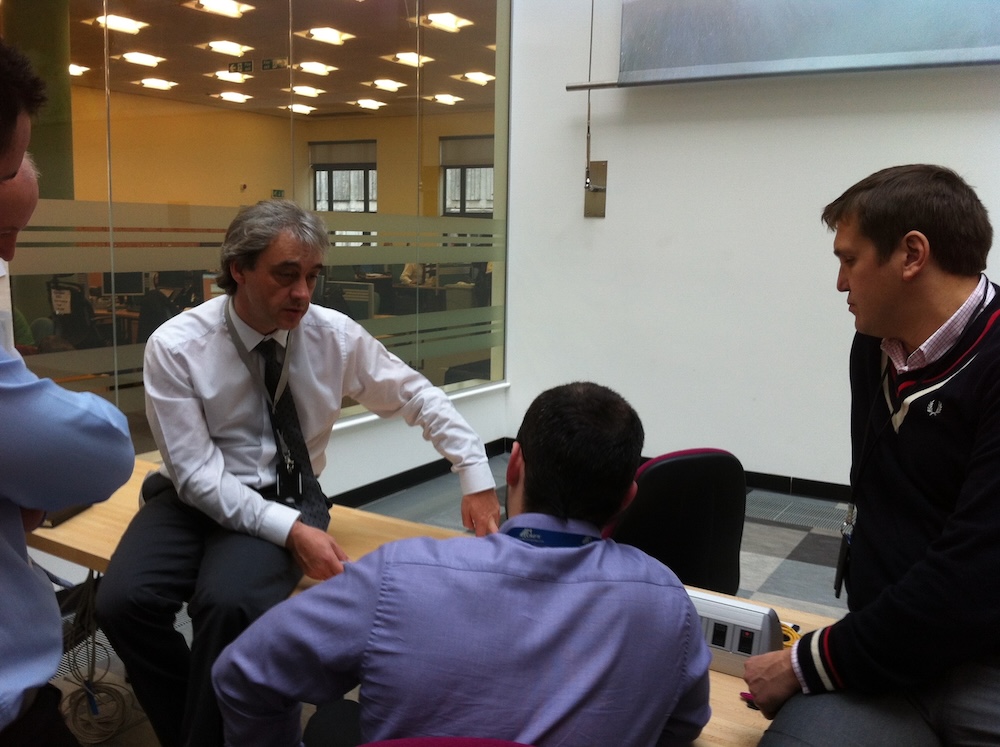
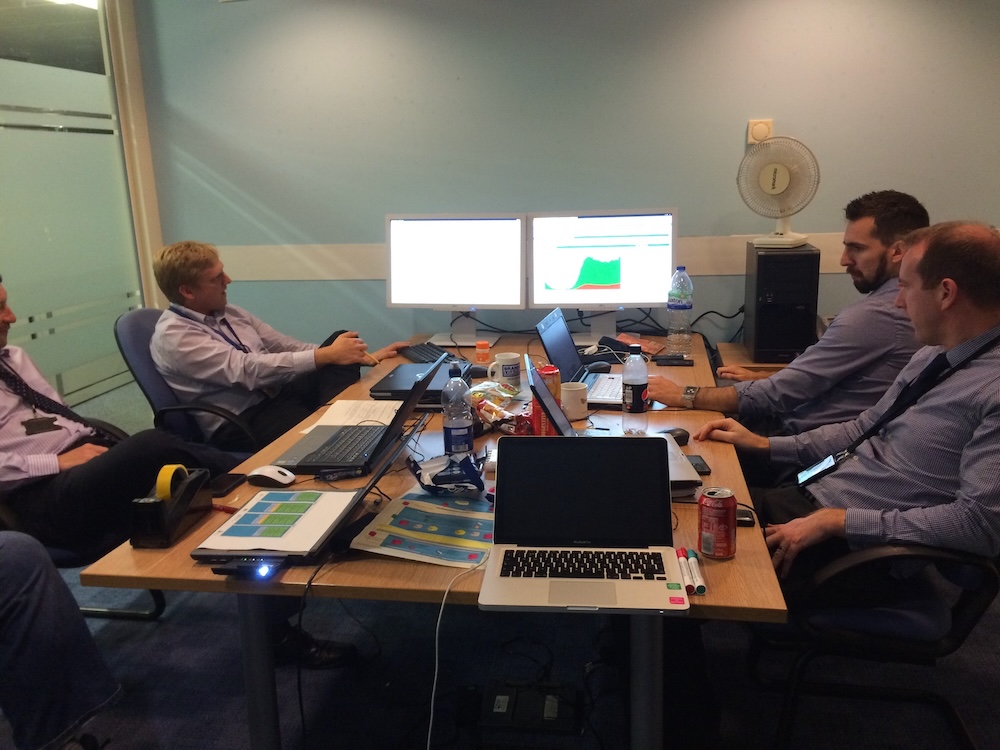
Instead of a big business case, we assembled a small, multidisciplinary team and built a prototype.
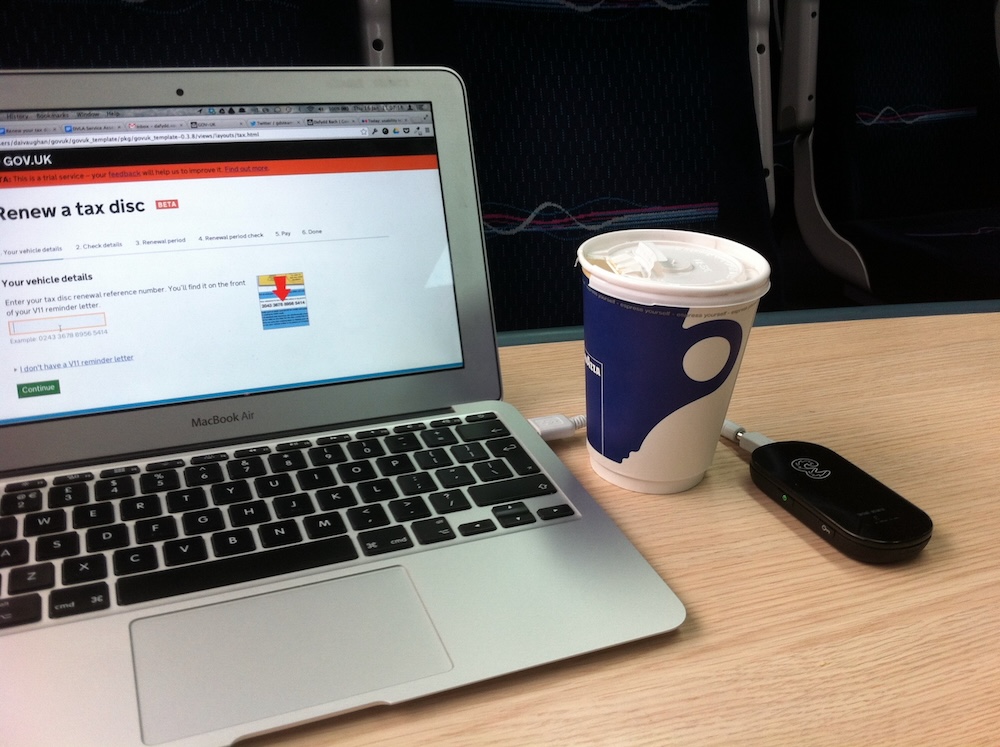
Within two weeks we had built enough to demonstrate that a simple, faster service was possible. By showing a working prototype early, we gained the political cover to keep moving. We proved we could talk to the DVLA databases and process a transaction without the sky falling in. We showed the art of the possible.
By the tenth week, we had a working service. This wasn’t just a cosmetic refresh - we were rebuilding the entire logic of the service; and redeveloping the journey based on how users actually thought about taxing their cars.

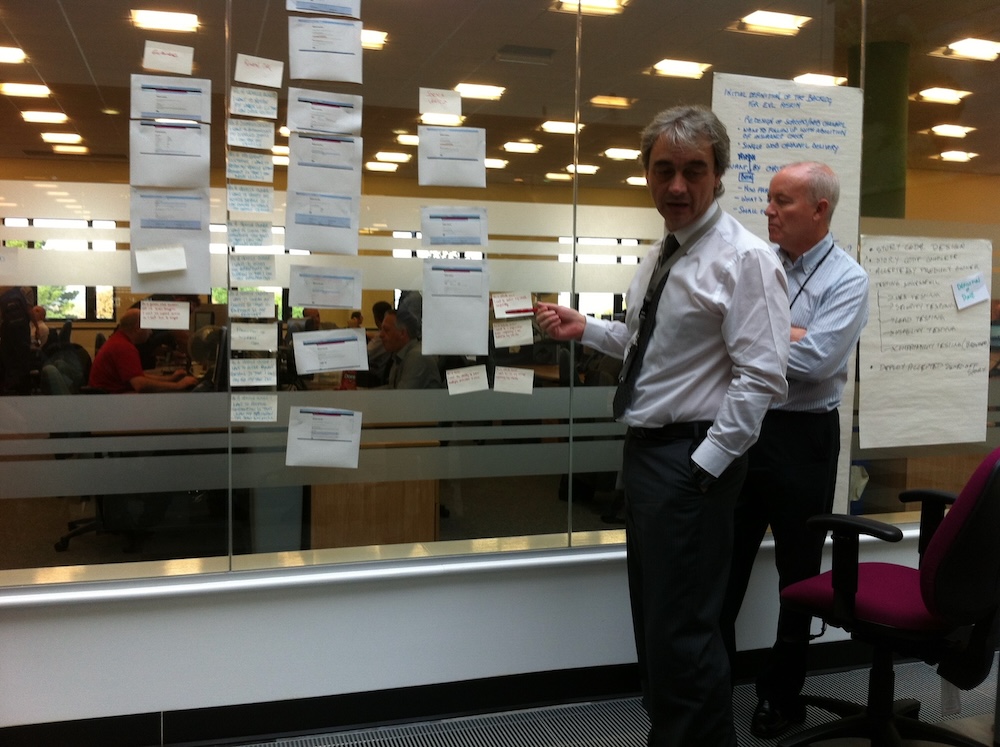
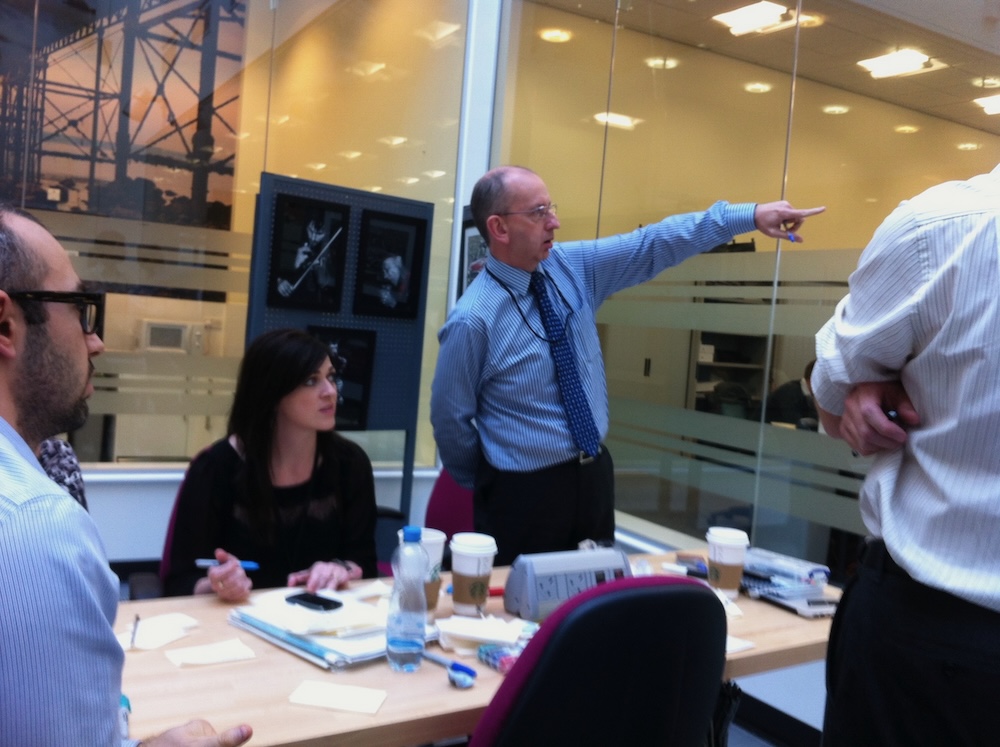
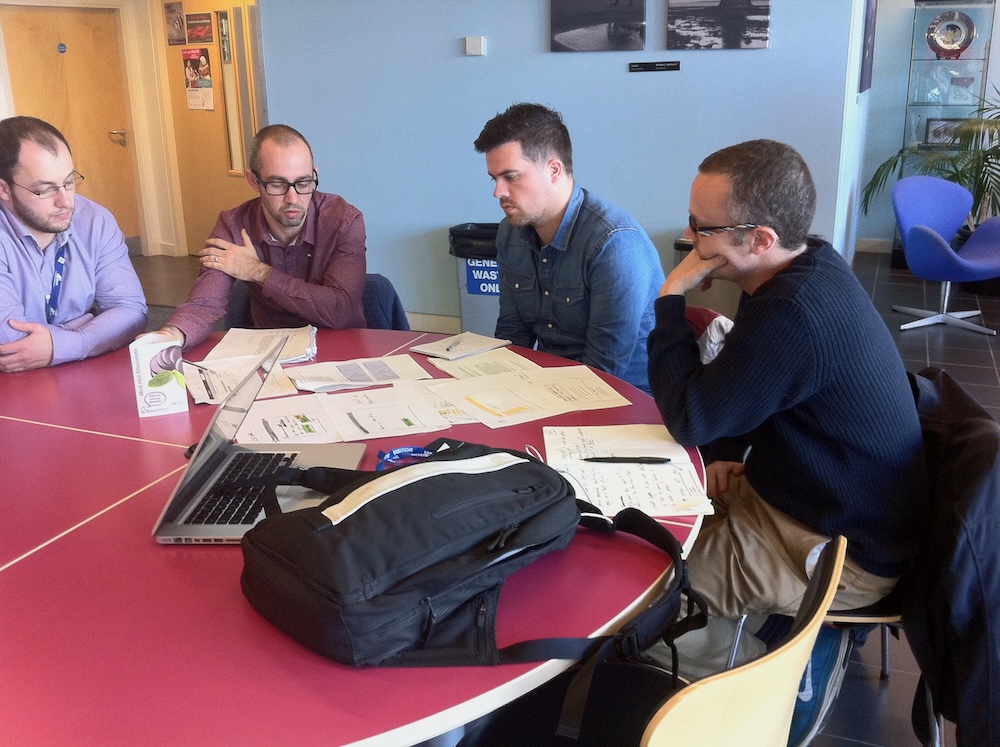
Importantly, we didn’t work in a vacuum. Every two weeks, the team held a “Show and Tell.” We opened the doors to anyone in the organisation and demonstrated exactly what we had built in the last sprint. It wasn’t a PowerPoint presentation - it was working code.
This radical transparency is what built the trust necessary to move at speed.
We launched a ‘Public Beta’, allowing a small percentage of users to choose the new service over the old one. The impact was immediate: the beta service handled over £2 million in transactions in its first six days alone.
“By starting with a small percentage of users, we could use real-world data and feedback to gain confidence and make improvements before scaling up.”
This iterative approach allowed us to see how the system performed under real load and, more importantly, how users reacted to the simplified design.
Constant iteration
Over the next few months we iterated the service every two weeks, constantly refining the journey based on real user data.
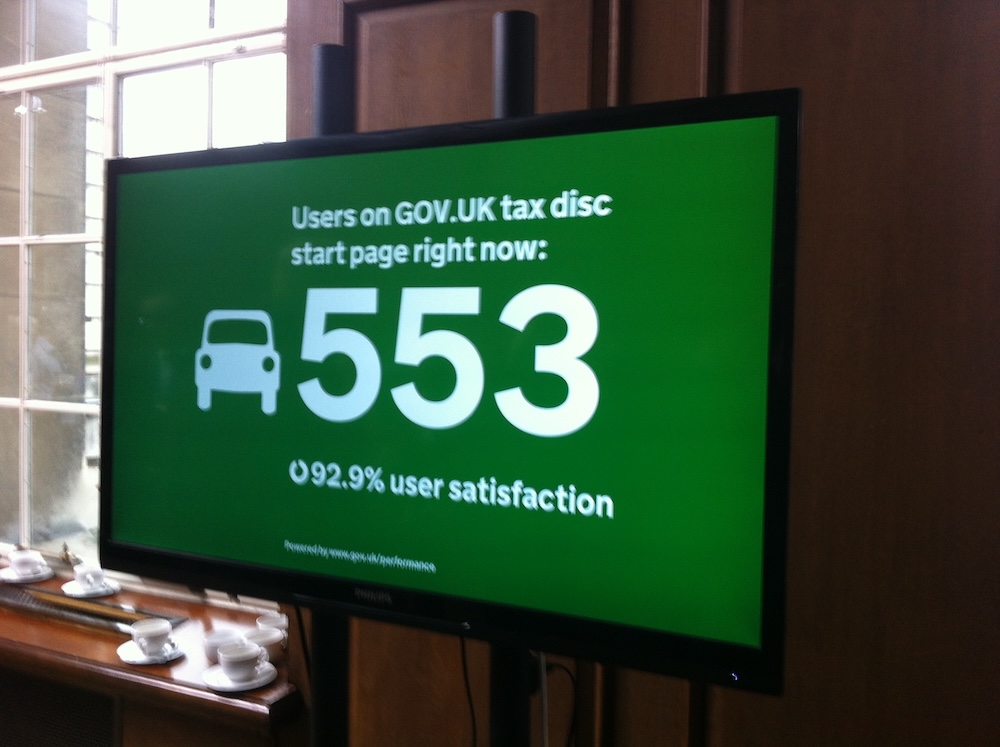
By August 2014, approximately 720,000 people had used the new beta service to tax their cars. That is the power of momentum—within months, we weren’t just talking about a “digital transformation”; we were running a service at massive scale.
But the most significant advantage of this approach was our ability to handle the massive policy shifts that would have derailed a traditional approach.
Once we had the core service running, we didn’t stop. We used the foundation we’d built to layer on huge, complex changes:
-
Northern Ireland Integration: For the first time, drivers in NI could tax their cars online rather than having to visit a DVA office in person - July 2014.
-
Continuous Enforcement: We integrated real-time checks for insurance and MOT status, moving away from point-in-time checks at renewal - August 2014.
-
Direct Debit: This was a massive technical and financial undertaking, allowing people to spread the cost of their tax—a major win for user experience - October 2014.
-
Abolishing the Tax Disc: On October 1st, 2014, the physical paper disc - a British icon for nearly 100 years - was abolished.
In the old world, each of these would have been a multi-million-pound “change request.” In our world, they were just the next items in the backlog.
Honesty about the “oh crap” moment
I need to be clear: this approach is not a panacea. Not everything went smoothly. On October 1st, 2014—the day the physical tax disc was officially abolished—the sheer volume of traffic was unprecedented. At one point, the whole system struggled under the pressure, with 250,000 people trying to access the service at the same time.
I was personally in the room with the engineers at 1am, working through the night to fix the service. The specific failure was actually caused by something outside our direct control: the network pipe into the data centre was simply too small for the surge.
In a traditional setup, this would have triggered a long investigation, and a blame-game between suppliers. But because we knew and deeply understood our own infrastructure, we were able to build, design, and deploy a workaround almost immediately. This bought the infrastructure teams the breathing room they needed to work on a permanent fix.
That resilience is a direct byproduct of the delivery model. When you own the stack and understand the plumbing, you can fix issues in hours, not weeks.
The strategy is delivery
The tax disc story isn’t just about a digital service - it’s a lesson in how to manage high-stakes delivery. You can write the best legislation or policy in the world, but if your process is too rigid to implement it, you’ll fail.
When you break a massive problem down into small, deliverable chunks, you don’t just reduce the delivery risk - you increase political and strategic agility.
Senior leaders often fear that moving fast means cutting corners. In reality, the slow, “safe” traditional route is often the most dangerous path you can take. It hides failure until it’s too late to fix.
By the end of that first major phase, the results were undeniable. In a post reflecting on 400 days of transformation at the DVLA, my colleague Rohan noted that we had fundamentally changed our ability to deliver. Digital take-up for vehicle tax soared, and the cost of running the service plummeted.
None of this would have been possible without the extraordinary team of civil servants at DVLA (and their leadership) who were willing to work in a completely new way. They proved that the best way to manage risk is to be visible, iterative, and relentlessly focused on the user.
The lesson for any leader - whether in a new government or a legacy company - is that you don’t need a five-year plan to start making a difference. You need a team that can trial something in two weeks, and the courage to let them keep iterating.
Momentum is the only thing that can outpace the complexity of modern government. If you can prove the art of the possible in 100 days, you can change anything.